

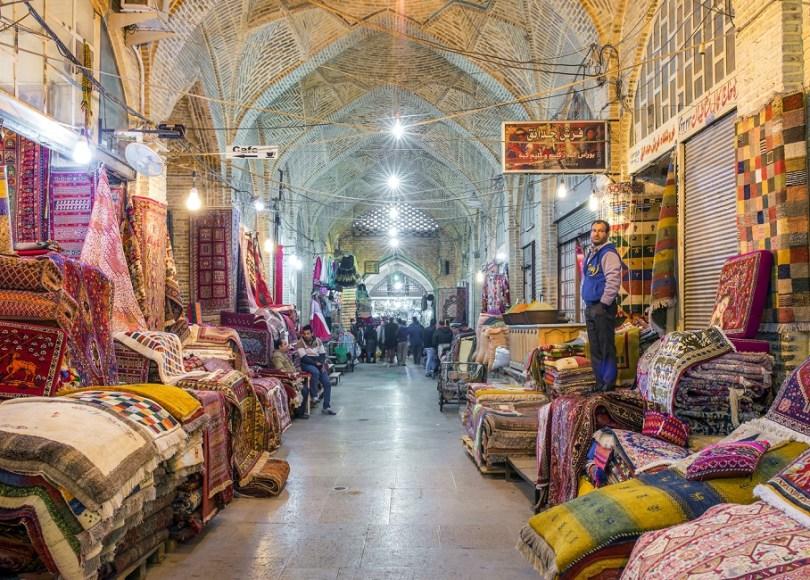
How much does a Persian rug cost? There is no single answer. Persian rug prices can range from a few hundred dollars for a small handmade village rug to tens of thousands of dollars for a large, finely woven silk or antique rug.
The price depends on several factors, including the rug’s size, materials, knot density, origin, age, condition, design and craftsmanship.
If you are planning to buy a Persian rug in Iran, understanding these factors can help you compare rugs and avoid paying more than a rug is worth.
Quick answer: A small handmade Persian rug may cost a few hundred dollars, while good-quality medium and large rugs can cost several thousand dollars. Fine silk, antique and rare Persian rugs can cost much more. In Iran, prices can vary considerably between sellers, cities and individual pieces.
For a complete guide to choosing and buying a rug, see our guide to how to buy Persian rugs in Iran.
Persian Rug Prices at a Glance
The table below gives a general idea of what you may encounter when shopping for Persian rugs.
| Type of Persian rug | General price range |
|---|---|
| Small handmade village or tribal rug | $150–$800+ |
| Medium handmade wool rug | $400–$3,000+ |
| Fine city rug | $1,500–$10,000+ |
| Large fine wool or silk-blend rug | $3,000–$15,000+ |
| Fine silk rug | $5,000–$30,000+ |
| Antique or rare Persian rug | $5,000–$100,000+ |
These are broad market ranges rather than fixed prices. A rug’s actual value can be much lower or higher depending on its quality, origin, age, condition and rarity. Current market guides show similarly wide ranges for handmade Persian rugs.
When shopping in Iran, you may also see rugs priced in tomans or rials, so make sure you understand which currency the seller is using before comparing prices.
What Determines the Price of a Persian Rug?
Two Persian rugs of the same size can have very different prices.
For example, a 6×9-foot handmade rug may cost several times more than another 6×9 rug because it uses finer materials, has a higher knot density, comes from a well-known weaving centre, or has a more valuable design.
Here are the main factors that affect Persian rug prices.
1. Size
Size is one of the easiest factors to understand.
A larger rug generally requires more material and more hours of work, so it usually costs more than a smaller rug of similar quality.
For example:
- Small rugs and runners are usually more affordable.
- Medium rugs are suitable for bedrooms, offices and smaller living rooms.
- Large room-size rugs can cost several thousand dollars or more.
- Large, finely woven rugs can reach very high prices.
However, size alone does not determine the price.
A small silk rug with extremely fine weaving can cost more than a much larger wool rug.
2. Knot Density
Knot density is one of the most important technical factors in handmade Persian rugs.
A rug with more knots can show finer details and more complicated designs. Producing this level of detail generally requires more time and skill.
Knot density is often expressed as KPSI, meaning knots per square inch.
Generally:
- Lower knot density is common in many village and tribal rugs.
- Medium density is common in many city rugs.
- Very high knot density is found in some fine Isfahan, Nain and Qom rugs.
But higher knot density does not automatically mean a better rug.
The design, materials, craftsmanship and overall condition also matter. A beautifully made rug with a lower knot count can be more desirable than a poorly made rug with a very high knot count.
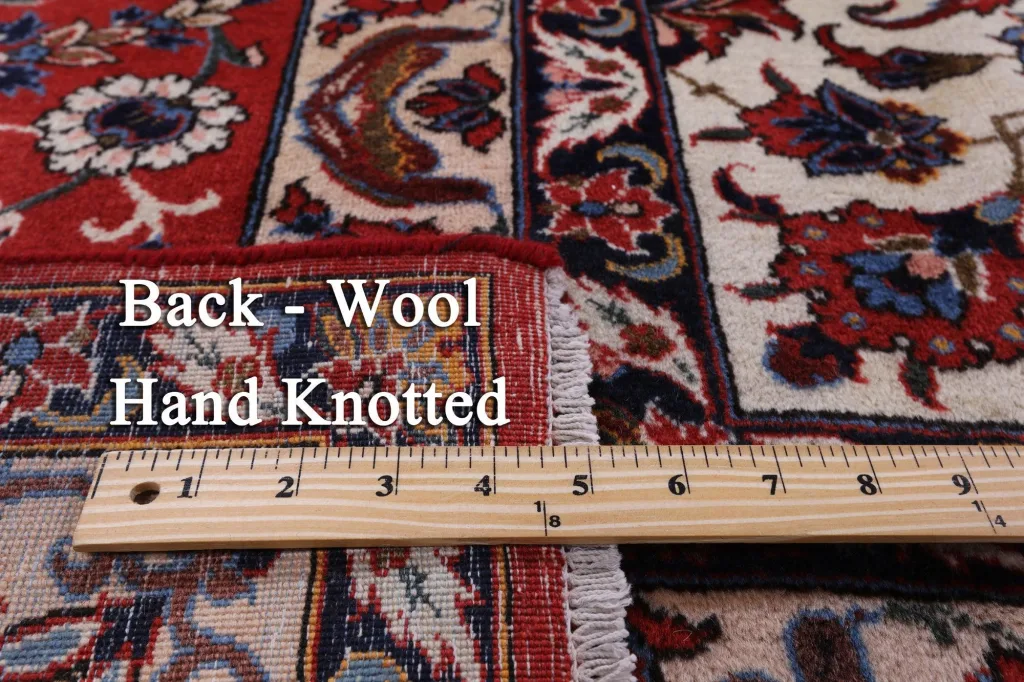
3. Materials
The material used in a Persian rug has a major effect on its price.
The most common materials include:
- Wool
- Cotton
- Silk
- Wool and silk combinations
Wool is common in Persian rugs and can produce durable, practical carpets.
Silk is generally more expensive, particularly when it is used extensively in the pile and the rug has very fine weaving.
The quality of the material also matters. Two rugs may both be made from wool but have very different prices because of differences in wool quality, preparation and weaving.
4. Origin and Region
Persian rugs are closely associated with the region where they are made.
Well-known weaving centres include:
- Tabriz
- Isfahan
- Kashan
- Nain
- Qom
- Kerman
- Heriz
Each region has its own designs, colours, weaving traditions and typical levels of craftsmanship.
For example, fine Qom silk rugs can command high prices because of their materials and detailed weaving, while a village or tribal rug may have a completely different pricing structure.
The name of the region is therefore an important part of the price, but it should not be considered on its own.
The quality of the individual rug still matters.
Persian Rug Price by Type
Different types of Persian rugs can have very different prices.
Tabriz Rugs
Tabriz is one of Iran’s best-known carpet-producing centres.
Tabriz rugs are often known for detailed designs, fine weaving and a wide range of traditional patterns.
Prices can range from relatively affordable pieces to very expensive fine rugs, depending on size, materials, knot density and workshop.
If you are interested in this style, read our guide to [Tabriz rugs].
Nain Rugs
Nain rugs are particularly known for their light colours, detailed designs and fine weaving.
High-quality Nain rugs can be expensive, especially when they have very fine knotting and high-quality materials.
Read more about [Nain rugs] before comparing prices.
Isfahan Rugs
Isfahan has a long and important tradition of Persian carpet weaving.
Fine Isfahan rugs can command high prices because of their detailed designs, craftsmanship and materials.
However, not every rug from Isfahan has the same value. Always examine the individual rug rather than judging its price only by its city of origin.
Kashan Rugs
Kashan is another famous centre of Persian rug production.
Traditional Kashan rugs often feature floral patterns and central medallions. Their prices vary considerably depending on age, size, material and weaving quality.
Qom Silk Rugs
Qom, also written as Qum, is particularly famous for fine silk rugs.
Because silk allows extremely detailed designs and fine weaving, high-quality Qom silk rugs can be among the more expensive Persian rugs on the market.
Heriz Rugs
Heriz rugs are often associated with bold geometric designs and strong colours.
They can be a good option for buyers who want a durable Persian rug with a distinctive traditional appearance.
Prices vary widely depending on age, size, condition and quality.
Gabbeh Rugs
Gabbeh rugs are generally simpler and more rustic in appearance than many fine city rugs.
They can be a more accessible choice for buyers looking for a handmade Persian rug for everyday use rather than a highly detailed decorative piece.
Handmade Persian Rug Price vs. Machine-Made Rug Price
One of the first things you should establish when comparing prices is whether the rug is handmade or machine-made.
A machine-made rug can look very similar to a handmade Persian rug from a distance, but the construction and production process are completely different.
Handmade rugs require significant manual labour and can take months or much longer to complete, depending on their size and complexity.
Machine-made rugs are produced much faster and are generally much less expensive.
This means you should not compare a $300 machine-made “Persian-style” rug directly with a $3,000 handmade Persian rug.
If you are unsure, check the back of the rug and ask the seller about its construction.
For more information, see our guide to [how to identify an authentic Persian rug].
Does a Higher Knot Count Mean a More Expensive Persian Rug?
Usually, higher knot density is associated with finer and more labour-intensive weaving.
But knot count is not a price calculator.
A high knot count does not automatically make a rug valuable.
Other factors include:
- Quality of the design
- Quality of the wool or silk
- Evenness of the weaving
- Condition
- Age
- Origin
- Rarity
- Reputation of the workshop or weaver
When buying a Persian rug, look at the whole rug rather than focusing on one number.
Are Antique Persian Rugs More Expensive?
They can be, but older does not always mean more valuable.
An antique Persian rug in excellent condition, with a desirable design, good materials and a documented history can be extremely valuable.
On the other hand, an old rug with serious wear, repairs or damage may be worth considerably less.
Age should therefore be considered together with:
- Condition
- Rarity
- Origin
- Design
- Materials
- Provenance
- Restoration history
If someone tells you that a rug is expensive simply because it is “very old,” ask for more information before making a decision.
Why Are Persian Rug Prices in Iran Different?
If you are comparing Persian rug prices in Iran with prices in Europe, North America or other markets, you may notice significant differences.
A rug purchased in Iran may have fewer intermediaries between the producer and the buyer. Local markets can also offer access to rugs from different weaving regions.
However, the final cost of buying a rug abroad can include additional expenses such as:
- Shipping
- Insurance
- Import duties or taxes
- Restoration
- Professional appraisal
- Other local costs
This means the cheapest price on a price tag is not necessarily the lowest final cost.
If you are travelling to Iran specifically to buy a rug, our guide to [buying a Persian rug in Iran as a tourist] can help you plan your purchase.
How to Know If a Persian Rug Is Worth the Price
You do not need to be a professional carpet dealer to make a better comparison.
Before buying, check these points.
Check the Construction
Look at the back of the rug.
A handmade rug normally shows its individual knots and weaving structure. The pattern should also be visible from the back.
Check the Materials
Ask whether the rug is made from wool, silk or a combination.
Do not rely only on the seller’s description. If the rug is expensive, ask for detailed information about its materials.
Check the Condition
Look carefully for:
- Worn areas
- Missing pile
- Repairs
- Stains
- Damaged edges
- Damaged corners
- Uneven areas
Condition can have a major effect on the value of an older rug.
Compare Similar Rugs
Do not buy the first rug you see.
Look at several rugs with similar:
- Size
- Material
- Origin
- Age
- Knot density
- Condition
This gives you a much better idea of whether the asking price is reasonable.
Ask About the Origin
Ask where the rug was made and whether the seller can provide information about the workshop, region or weaver.
For expensive rugs, documentation can be particularly important.
How Much Should You Budget for a Persian Rug?
The right budget depends on what you want.
If you are looking for a small handmade rug for your home, you may find suitable options for a few hundred dollars.
If you want a good-quality medium-sized Persian rug, a budget of several hundred to several thousand dollars may be more realistic.
If you are looking for a fine silk rug, antique rug or large high-quality city rug, you may need a significantly larger budget.
Instead of deciding on a budget based only on size, decide what matters most to you:
Design + material + size + origin + craftsmanship + condition
Then compare rugs that meet those requirements.
Is a Persian Rug Cheaper in Iran?
Buying a Persian rug in Iran can give you access to a wide selection of locally produced rugs and sellers closer to the source.
But it does not mean every Persian rug in Iran is automatically cheap.
Prices can vary significantly between sellers, and high-quality handmade rugs can still be expensive.
If you are visiting Iran, it is worth comparing several sellers before making a purchase.
You can also use our guide to [where to buy Persian rugs in Iran] to learn about the main cities and shopping areas.
Where Can You Buy Persian Rugs in Iran?
Some of the best-known places to look for Persian rugs include:
Tehran
Tehran offers a large selection of Persian rugs, including traditional and contemporary pieces.
The Grand Bazaar is one of the places visitors may encounter carpet sellers, but it is not the only option.
For specific recommendations, see [where to buy Persian rugs in Tehran].
Isfahan
Isfahan is one of Iran’s most famous carpet-producing cities and an important destination for people interested in Persian carpets.
Tabriz
Tabriz is another major centre of Persian carpet production and a good place to explore Tabriz-style rugs.
Other Cities
Depending on the type of rug you want, you may also consider Kashan, Nain, Kerman and Qom.
Buying close to the rug’s region of production can give you a chance to see a wider selection of local styles.
Tips for Getting a Fair Persian Rug Price
Here are a few simple rules to remember when shopping.
1. Do not focus only on the discount.
A large discount does not necessarily mean you are getting a good deal.
2. Compare several rugs.
Compare rugs with similar characteristics rather than comparing prices alone.
3. Ask questions.
Ask about the origin, materials, construction, age and condition.
4. Look at the back.
The back can tell you a lot about how the rug was made.
5. Be careful with unusually low prices.
If a rug is advertised as a valuable handmade Persian rug at an extremely low price, ask why.
6. Consider the total cost.
If you are buying in Iran and taking the rug abroad, remember that shipping and other costs can affect your final expense.
7. Do not rush.
A good Persian rug is a long-term purchase. Take your time and compare your options.
Persian Rug Price: Frequently Asked Questions
How much does a Persian rug cost?
A Persian rug can cost anywhere from a few hundred dollars to tens of thousands of dollars or more. Small handmade village rugs are generally more affordable, while fine silk, antique and rare rugs can be extremely expensive.
How much is a real Persian rug?
There is no single price for a real Persian rug. Authentic handmade rugs vary widely depending on size, materials, knot density, origin, age and condition.
Are Persian rugs expensive?
Some are, but not all Persian rugs are expensive. Handmade village and tribal rugs can be relatively accessible, while fine city rugs, silk rugs and antiques can cost much more.
What is the most expensive type of Persian rug?
Fine silk rugs, rare antiques and exceptional rugs with important provenance can reach very high prices. However, there is no single “most expensive” type because individual quality, rarity and history have a major effect on value.
Are Persian rugs cheaper in Iran?
They can be, particularly when buying directly from local markets or sellers close to the source. However, prices vary significantly, and high-quality handmade rugs can still be expensive.
Does a higher knot count mean a better Persian rug?
Not necessarily. A higher knot count can allow finer detail and usually requires more work, but design quality, materials, craftsmanship, condition and origin also matter.
How can I tell if a Persian rug is handmade?
Look at the back of the rug and examine the knots and weaving structure. You can also ask the seller for information about how and where the rug was made. For valuable rugs, professional evaluation may be appropriate.
Final Thoughts
There is no standard Persian rug price.
The price of a Persian rug reflects a combination of its size, materials, craftsmanship, knot density, origin, age, condition and design.
The best way to find a fair price is not to memorize one number. Instead, learn how to compare similar rugs and understand what you are actually paying for.
If you are planning to buy a Persian rug in Iran, start with our complete guide on [how to buy Persian rugs in Iran]. You can also explore our guides to different Persian rug types and find recommended rug sellers and shops in Iran.
Looking for a Persian rug in Iran? Compare local sellers, explore different styles and ask about featured shops and suppliers through Pirsik.
Leave a Reply