

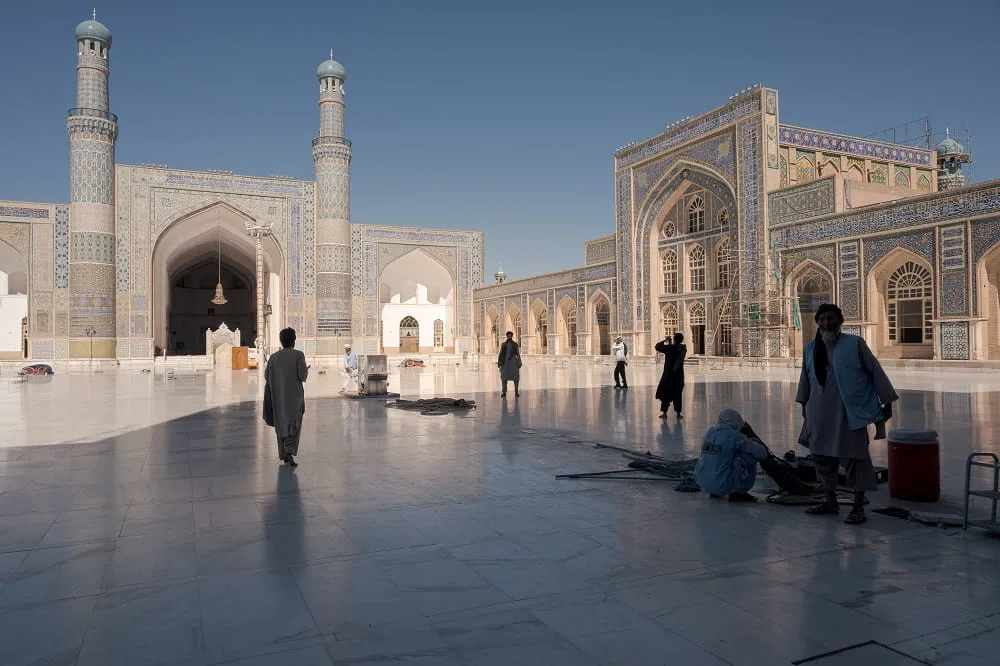
Afghanistan is a country with a long history, diverse landscapes, and a rich cultural heritage. Located at the crossroads of Central and South Asia, it was once an important part of the Silk Road, connecting traders, travellers, and ideas across different regions.
For travellers interested in history, architecture, and local culture, Afghanistan offers many places to explore. From the historic streets of Herat to the lakes of Band-e Amir and the mountain scenery around Bamyan, each region has its own character.
However, travelling to Afghanistan requires careful planning. Visa rules, local regulations, transport options, and security conditions can affect your journey. Here is what to know before considering a visit.
1. Why Visit Afghanistan?
Afghanistan has a long and varied history shaped by different civilisations, religions, and trade routes. Its cities, archaeological sites, traditional markets, and natural landscapes reflect this past.
Herat is known for its historic architecture, including decorated mosques, tiled courtyards, and traditional bazaars. The city played an important role in regional trade and Persian art.
In Bamyan, visitors can learn about the region’s Buddhist history and see the empty niches where the famous Buddha statues once stood. Nearby, Band-e Amir National Park is known for its deep-blue lakes, limestone formations, and mountain scenery.
Kabul offers a different perspective, with busy markets, historic sites, and everyday city life. Further north, Balkh and Mazar-e-Sharif have strong historical and cultural connections to the wider region.
Beyond the major landmarks, everyday experiences can also shape a visit. Traditional bakeries, local craft workshops, tea houses, and markets offer a glimpse into daily life and long-standing customs.
2. Is It Safe to Visit Afghanistan?
Security is one of the most important considerations when planning a trip to Afghanistan. Conditions can change quickly, and risks vary by region and route.
Travellers should check their government’s latest travel advice before making plans. Some governments advise against all travel to Afghanistan because of serious security risks, including terrorism, kidnapping, arbitrary detention, and limited consular assistance.
Do not assume that a particular destination is safe simply because other travellers have visited it recently. Review current guidance, understand the risks, and consider whether travel is appropriate for your circumstances.
Local regulations and restrictions can also affect movement, access to sites, and daily activities. These factors should be considered alongside transport, accommodation, and visa arrangements.
3. Can Women Travel to Afghanistan?
Women considering a visit to Afghanistan should pay close attention to current rules and restrictions. Requirements for clothing, movement, access to public spaces, and participation in daily activities can differ from those in other destinations.
Women may face additional restrictions and practical challenges. These can affect sightseeing, interactions with local people, and the ability to travel independently.
Before travelling, check the latest official advice and understand the rules that apply to women in the areas you plan to visit. Modest clothing and a headscarf are important considerations, but clothing alone does not address every restriction or safety concern.
It is also worth considering how these rules may affect your travel plans and personal comfort.
4. Is Afghanistan Suitable for Every Traveller?
Afghanistan may interest travellers who enjoy history, archaeology, architecture, and mountain landscapes. However, the practical conditions can make a visit challenging.
Road journeys may be long, facilities can be basic outside major cities, and some destinations require considerable time to reach. Access to medical care and other services may also be limited in remote areas.
Travellers with mobility needs should check access conditions in advance. Historic buildings may have uneven paths, steps, and limited facilities for visitors with disabilities.
Flexibility is important, as transport schedules, access permissions, and local conditions can affect an itinerary.
5. Is It Possible to Travel Independently?
Independent travel requires careful research and preparation. Language barriers, local regulations, checkpoints, transport arrangements, and accommodation can make moving between destinations difficult.
A knowledgeable local guide may help travellers understand the historical context of a place, communicate with local residents, and manage practical arrangements. However, having a guide does not remove security risks or replace official travel advice.
Anyone considering independent travel should check the entry requirements for their nationality, research the rules for each destination, and confirm that their planned route is currently accessible.
6. How Can You Get an Afghan Visa?
Visa requirements depend on your nationality, the purpose of your visit, and the rules in force when you apply.
Before making travel arrangements, check the current requirements with the relevant Afghan diplomatic mission or official visa service. Ask which documents are needed, how much the application costs, and how long processing may take.
Online visa services may be available for some applicants, but travellers should confirm that the application channel is official and that they are eligible to use it.
Avoid booking non-refundable flights or accommodation until you understand the visa process and have confirmed the documents required for your trip.
7. How Do You Get to Afghanistan?
Kabul is the main international gateway for many visitors. Depending on your departure city and travel dates, flights may connect through regional hubs such as Dubai or Istanbul.
Flight routes and schedules can change. Check directly with airlines for current services, ticket availability, transit rules, and baggage requirements.
If you plan to enter Afghanistan by land, research the relevant border crossing carefully. Entry rules, border access, and security conditions can vary, so confirm the latest information before choosing an overland route.
Allow enough time for connections and keep some flexibility in your schedule.
8. When Is the Best Time to Visit Afghanistan?
The best time to visit depends on your destination, planned activities, and tolerance for different weather conditions.
Spring: Temperatures are often milder in many areas, making this a possible time to explore cities and historical sites. Conditions vary by region.
Summer: Higher elevations may offer cooler conditions than lowland areas. However, some regions can become very hot, and road conditions should be checked before travelling.
Autumn: The weather can be suitable for exploring historic cities and travelling through some parts of the country.
Winter: Snow and cold weather can affect mountain routes and access to remote areas. Travellers should expect possible delays and check local conditions carefully.
Afghanistan has significant differences in altitude and climate. Research the weather for each destination rather than relying on a single national travel season.
9. Which Places Should You Visit in Afghanistan?
Afghanistan has several destinations of interest to travellers who want to explore its history and landscapes.
Kabul: The capital offers traditional markets, historic sites, and a view of contemporary urban life.
Bamyan: Known for its Buddhist heritage, archaeological remains, and surrounding mountain scenery.
Band-e Amir: A national park famous for its blue lakes and distinctive natural formations.
Herat: A historic city with important examples of Islamic architecture, traditional crafts, and a long artistic heritage.
Balkh: One of the region’s historically significant settlements, with connections to ancient trade and cultural exchange.
Mazar-e-Sharif: Known for the Blue Mosque, an important religious and architectural landmark.
Minaret of Jam: A remarkable medieval structure in a remote mountainous area. Access and travel conditions need careful checking.
The time needed for a trip depends on the destinations selected and the transport available. An itinerary focused on Kabul and Bamyan will differ considerably from one that includes Herat or the northern provinces.
Distances can be misleading on a map, as road conditions and travel times may make journeys longer than expected.
10. What Are Accommodation, Transport, and Food Like?
Accommodation options vary by destination. Major cities generally offer more choices, while smaller towns and remote areas may have fewer facilities.
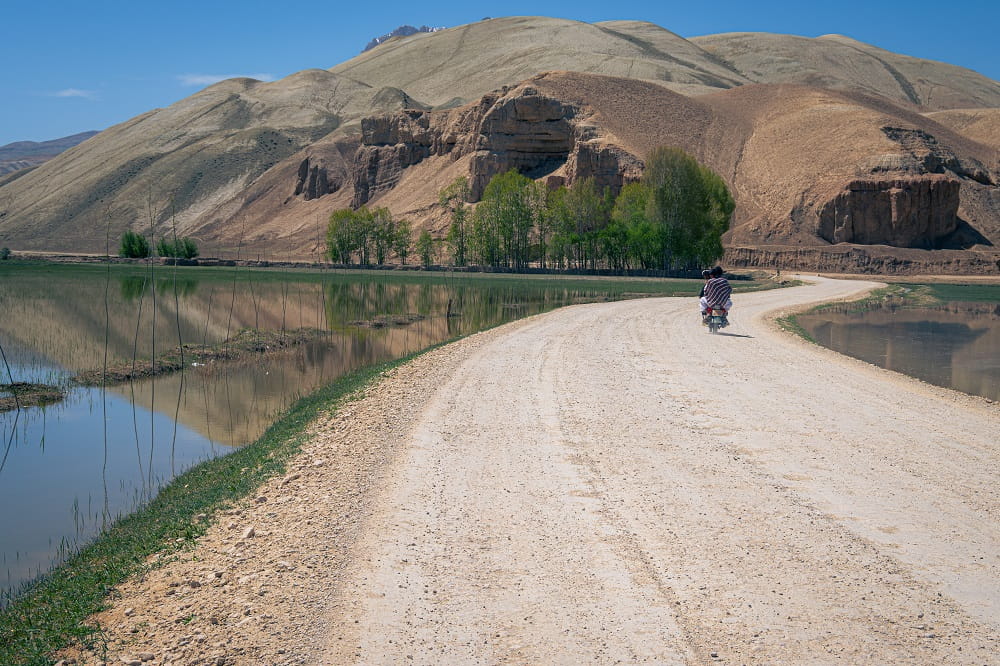
Road travel is an important part of many journeys. Travellers may pass through mountain valleys, villages, agricultural areas, and changing landscapes. However, road quality, travel times, and access can vary, so transport plans should be checked in advance.
Afghan cuisine is another part of the country’s cultural heritage. Common dishes include kabuli palaw, a rice dish often prepared with carrots and raisins, and mantu, steamed dumplings usually filled with seasoned meat and served with yoghurt-based sauce. Fresh naan is a staple in many meals.
Regional cooking traditions and ingredients vary. Markets and local eateries can offer a closer look at everyday food culture, subject to current access and safety conditions.
11. What Should You Wear in Afghanistan?
Travellers should research local dress expectations and current public regulations before departure.
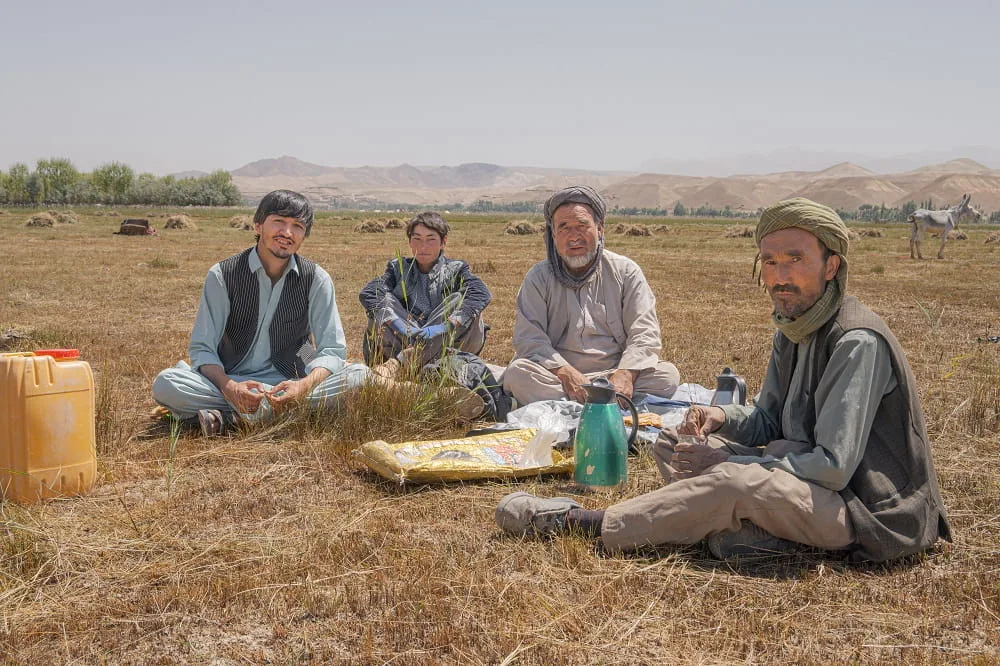
Loose-fitting clothing that covers the arms and legs is a practical starting point. Women should check the latest rules regarding headscarves and any additional clothing requirements. Men may also find that modest clothing is more suitable in many public settings.
Traditional Afghan clothing, including the perahan tunban, reflects the country’s regional and cultural traditions. Visitors may encounter different styles, fabrics, and designs in local markets and tailoring shops.
Comfortable walking shoes and layers suited to the season are useful, particularly when visiting historic sites or travelling through mountainous areas.
12. Can You Take Photographs in Afghanistan?
Photography can help visitors document architecture, landscapes, and everyday life. However, it is important to respect local customs and restrictions.
Always ask permission before photographing people, especially women and children. Some people may not wish to be photographed, and their wishes should be respected.
Avoid photographing military installations, checkpoints, government buildings, or other sensitive locations. Restrictions may also apply at religious sites and other public places. Follow local instructions and seek clarification if you are unsure whether photography is allowed.
Being considerate and asking before taking a photograph can help prevent misunderstandings.
13. How Should You Prepare for a Trip to Afghanistan?
Preparation should begin well before departure. In addition to researching destinations and transport, travellers should consider the following:
Travel advice: Read the latest guidance from your government’s official travel authority.
Visa and entry rules: Confirm eligibility, documents, fees, and processing times.
Transport: Check flight routes, road conditions, and access to planned destinations.
Accommodation: Confirm where you will stay and what facilities are available.
Health and insurance: Review medical advice, required precautions, and whether your insurance covers the destination and planned activities.
Communication: Research mobile coverage, internet access, and reliable ways to contact your accommodation or travel contacts.
Local customs: Learn about dress expectations, photography restrictions, and other rules that may affect visitors.
It is also wise to keep copies of important documents and share your itinerary with someone you trust.
Final Thoughts
Afghanistan has a complex history and a wide range of cultural and natural sites. From the historic architecture of Herat to the archaeological heritage of Bamyan and the landscapes of Band-e Amir, the country offers many subjects of interest to travellers, historians, and photographers.
At the same time, travel conditions require serious consideration. Security risks, local restrictions, limited services, and changing entry requirements can affect both the feasibility and the experience of a visit.
Anyone considering a journey should research each destination carefully and rely on current, official information before making plans.
For further information about possible travel arrangements and local guidance, you can visit the Ariana Expeditions website.
This article was prepared with the support of Ariana Expeditions. If you are interested in publishing articles in collaboration with Pirsik, please contact us.
Leave a Reply